

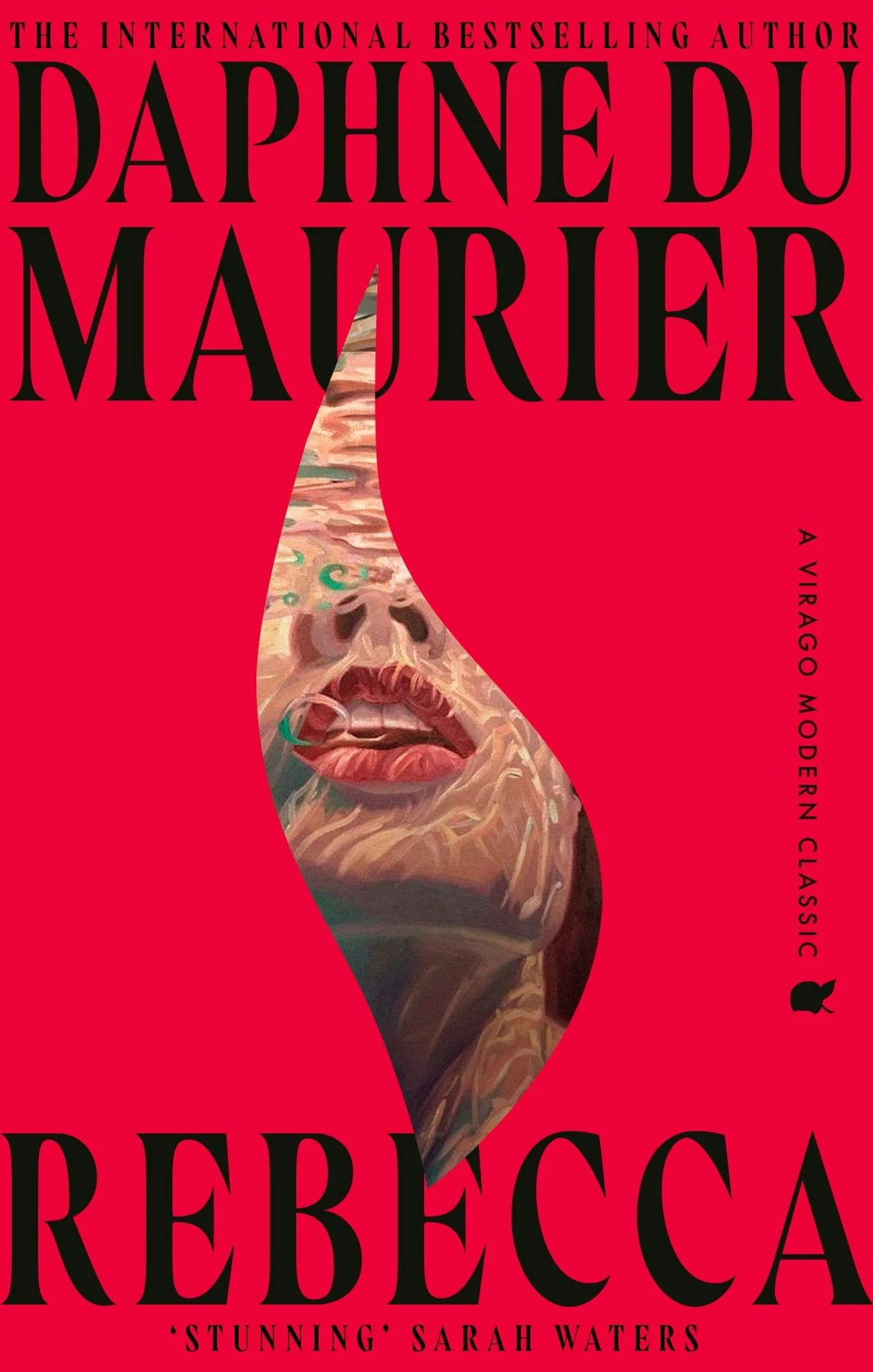
“Last night I dreamt I went to Manderly again.” (Daphne Du Maurier, Rebecca)
As the opening line of the novel, this quote immediately pulls the reader into the story of the second Mrs. de Winter and begins by setting Manderly, the de Winters’ estate, at the center of the novel. Throughout the novel, the relationship between the family and the estate continues to be central. As the narrator explores her surroundings and makes new connections, the story acts as a testament to the unpredictability of youth as well as the power of confidence in a young woman’s life.
Synopsis:
Du Maurier frames this novel as a memory, related by the narrator twenty or so years after the events of the book. The narrator starts by detailing her time as a paid companion to a boisterous middle aged woman named Mrs. Van Hopper. She details their vacation together in Monte Carlo in the 1930s where they meet the mysterious Maximilian de Winter. Tactless, Mrs. Van Hopper presses Mr. de Winter for details of his life, but he takes interest in the young silent girl beside Mrs. Van Hopper. Over the course of their vacation, Mr. de Winter and the narrator begin to grow closer, culminating in a marriage proposal. When the narrator accepts, she moves to Manderly, Mr. de Winter’s family estate, but always feels overshadowed by the titular character of the novel, Mr. de Winter’s first wife, Rebecca. As the story progresses, the truth unfolds about who Rebecca was and what truly took place at Manderly.
Review:
Beginning this novel, I was slightly skeptical, thinking the plot would carry a predictable trajectory. Du Maurier soon disproved me, immersing me in an engaging plot with top tier writing and description. Often I feel that books framed as memories can carry too much reflection without enough action and insight into what the character was thinking in the moment, but this author had no problem bringing us into the narrator’s mind.
In order to truly and deeply understand this character, I believe one must look back on situations where they felt in over their head or ill equipped for the task in front of them. I’m sure most have had an experience similar to that and unfortunately that raw feeling of insecurity which permeates the beginning section of the book is familiar to many. When the narrator arrives at Manderly, she feels constantly insecure and compares herself to the perfect version of Rebecca that she creates in her mind. The author even chooses to leave the protagonist nameless in order to emphasize her feeling of inadequacy.
Over the course of the novel, the protagonist gains confidence, leading to a conviction that she doesn’t need to compare herself to Rebecca and can create her own definition of what it means to be the mistress of Manderly. I would argue that this is the main theme of Rebecca: the impact that self doubt can have on one’s life. As soon as the narrator feels free from comparison with Rebecca, she begins to live her life more fully and confidently.
Overall, Rebecca was a fascinating and worthwhile read. Although it’s set slightly later, I would recommend it to anyone who enjoys Victorian literature, especially Jane Eyre. The two books share in common a sense of mystery and a few similar characters such as Mrs. Danvers and Grace Poole. This novel is more than it seems at first glance, containing characters and plot lines that are complex and engaging.
I would rate this book 📚📚📚📚 – an interesting and worthwhile read (4/5)
Love, Ellie
GFB Ambassador